In short: We dry our grapes the slow way — laid out under the sun on our own farm — rather than using sulphur fumigation or industrial mechanical dehydrators. It takes longer, but it's how Panneer grapes have traditionally been dried in Theni for generations.
Three ways to dry a grape
Commercially, grapes are dried in one of three ways: open sun-drying (traditional, slow, weather-dependent), sulphur-fumigated drying (faster, preserves colour, adds SO₂ residue), or mechanical hot-air dehydration (fast, energy-intensive, can degrade heat-sensitive nutrients at high temperatures).
Why we chose solar
Solar drying — using direct and indirect sunlight, sometimes assisted by a solar dryer structure to protect against dust and pests — lets moisture leave the grape gradually at ambient-to-moderate temperatures. This slower process is gentler on the fruit's natural sugars and antioxidants compared to high-heat mechanical drying, and requires no sulphur or chemical inputs at any stage.
The trade-offs, honestly
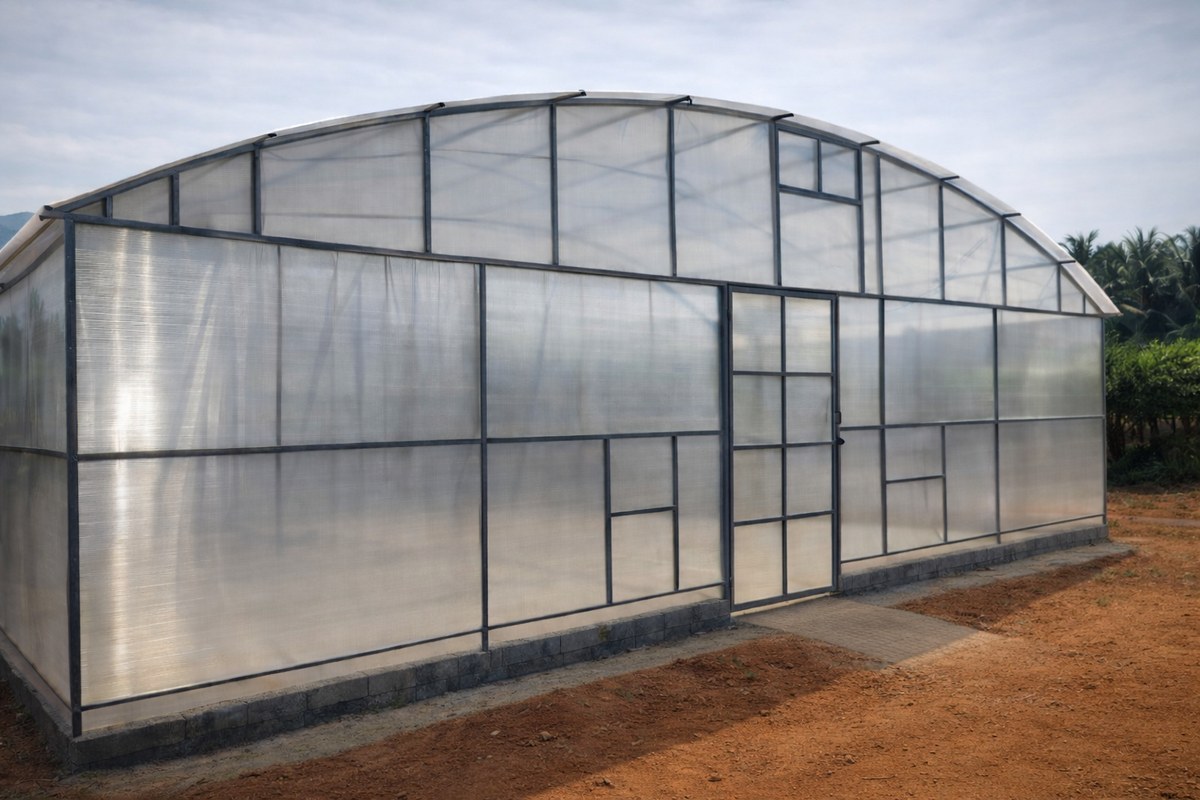
Solar drying takes days longer than industrial methods and is more exposed to weather variability, which is part of why we built a dedicated 1,100 sq ft solar drying unit on our farm — to make the process more consistent and hygienic without giving up the sun-drying method itself.
The short answer
Solar drying is slower and weather-dependent, but it needs no sulphur or high heat — which is why we've stuck with it, and why we're investing in better solar infrastructure rather than switching to mechanical dehydration.